 Get Notified when there's something new from Health in Focus
Videos

Our 4 Main Sex-Hormones - And Their Healthy Blood Levels
The topic of hormones comes up more-and-more.
There are different deteriorating disorders directly related to a deficiency in our hormone production. Dr. Eric Nager, MD lives in Baltimore, Maryland where he operates his own clinic in Functional Medicine, which is an interesting topic all by itself.
In this interview we focus on his experience dealing with patients from all walks of life and their inadequate hormone levels (Testosterone, DHEA, Estradiol, and Thyroid). His take is fresh and insightful, and it will definitely be helpful for you if you are worried about your own hormone levels.
Estrogens & the Environment
Hormone-specific prescription drugs for both promoting and deregulating natural hormone production not only affect the inside of our body, but after they’ve done their job, the body eliminates the residue back into the environment.
Look at the effects of TAMOXIFEN® and LUPRON® on the body after they've been described to patients with hormone-related cancers.
Yes, we need hormones to live a quality life, but they have to be natural, otherwise they may negatively affect the environment.
Estradiol Levels Have Been On The Rise During the Last 50 Years.
Estradiol is a beautiful hormone both women and men produce. It has excellent benefits, but it needs to be in the right balance with progesterone (women) and testosterone (men).
During the last 50 years there has been an increase in environmental estrogens, which has cause disruptions in these balances. We owe it to ourselves to understand these hormones a little better.
Testosterone for Both Men and Women
Men and Women both make testosterone. Men make it pretty much all their life; women drop their monthly production when they get into menopause.
I dare to say 99% of men do NOT know that from testosterone we make two more hormones?
What happens is there are two different enzymes that start “pulling” on testosterone and converting it into other hormones.
Aromatase converts testosterone into the female hormone called ESTRADIOL.
Then there is the enzyme called 5-ALPHA-REDUCTASE, which converts testosterone into DHT (or Dihydrotestosterone).
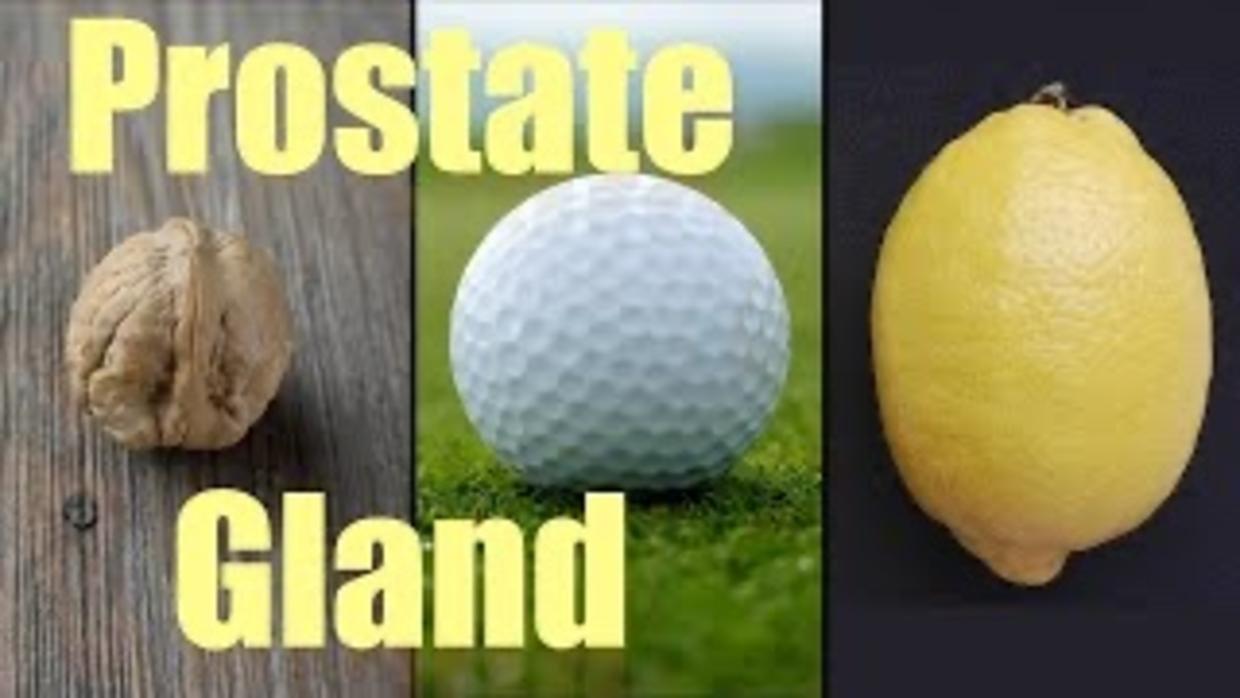
The Prostate Gland
Half of all men by age 60, and close to 90% of those over 85 suffer from Benign Prostate Enlargement of BPH. This condition is non-cancerous; however, it could eventually turn into cancer.
Currently an estimated 40 million men in the U.S. have this condition.
Our prostate gland is about the size of a walnut in our early 20’s, naturally growing to about a golfball size, which isn’t too much bigger actually. But, at around 60 years old, the prostate may even grow to the size of a lemon.